
A source-backed field guide to wood
Understand the material before you build or buy.
Practical, source-backed guides to wood, sheet goods, furniture construction, and joinery—written for buyers, DIYers, and beginning woodworkers.
What are you trying to understand?
Materials
Know what a board or surface is made from—and what that changes.
02Comparisons
Put commonly confused choices side by side under real conditions.
03Joinery
See how the geometry of a joint aligns parts and resists load.
04Furniture terms
Decode the construction language used in listings and plans.
Start with the materials people confuse most
What Is HDF? High-Density Fiberboard Uses & HDF vs MDF
HDF stands for high-density fiberboard: an engineered wood panel made from compressed wood fibers and binder. Common uses include laminate-flooring cores, door components, and furniture panels.
Read the guide →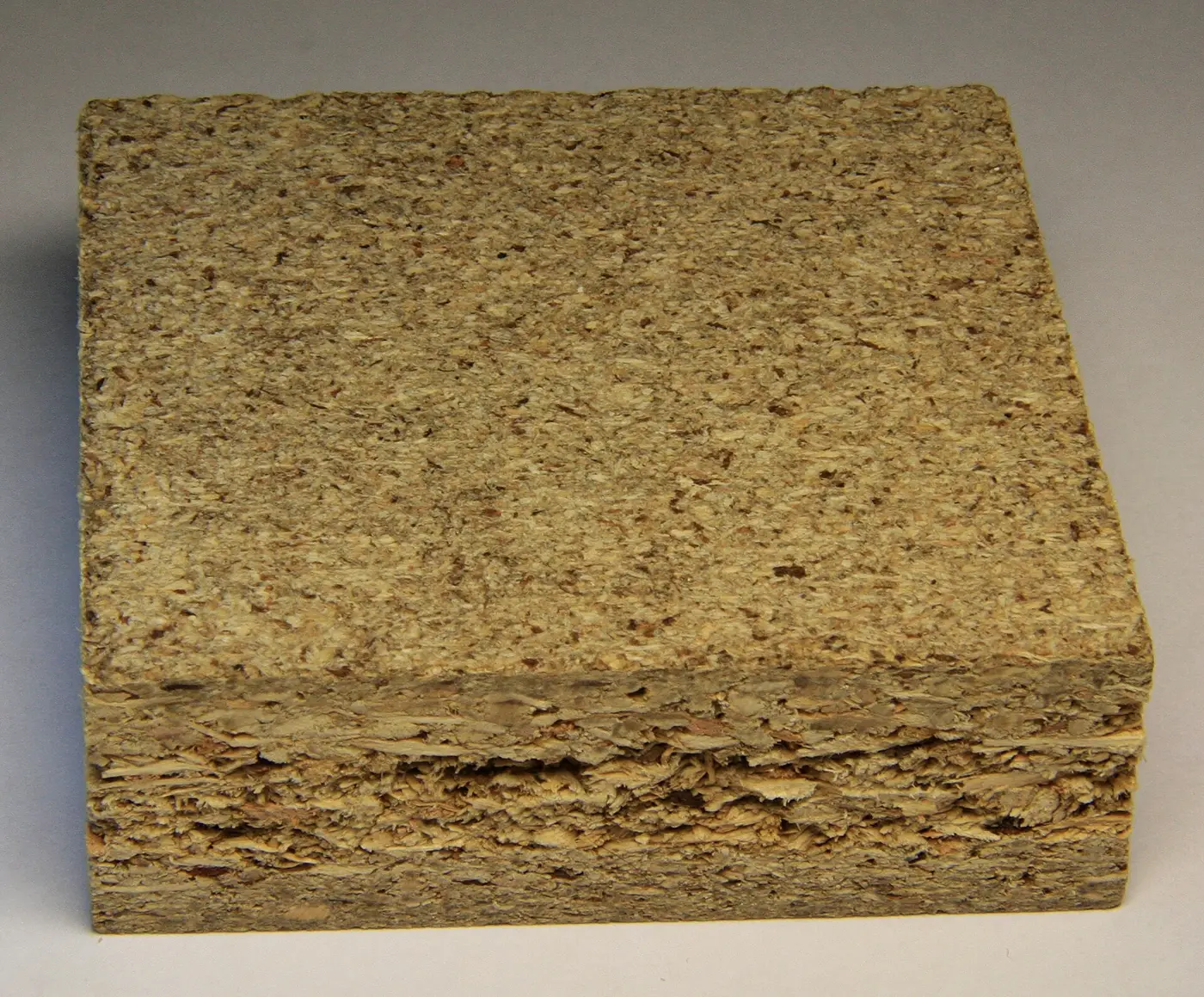
What Is Particle Board? Uses, Properties, Pros and Cons
Particle board is an engineered panel pressed from wood particles and adhesive, usually surfaced with laminate or melamine.
Read the guide →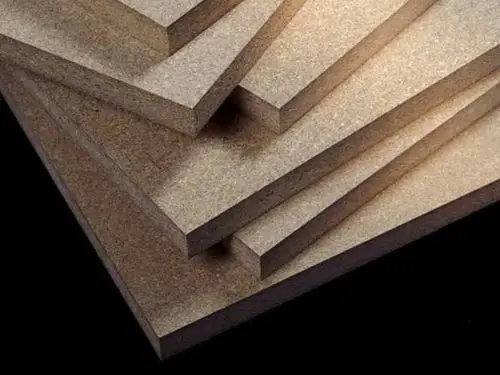
What Is MDF Board? Meaning, Uses, Pros and Cons
MDF stands for medium-density fiberboard. It is an engineered wood panel made from refined wood fibers and binder pressed under heat and pressure, commonly used for painted doors, furniture, and trim.
Read the guide →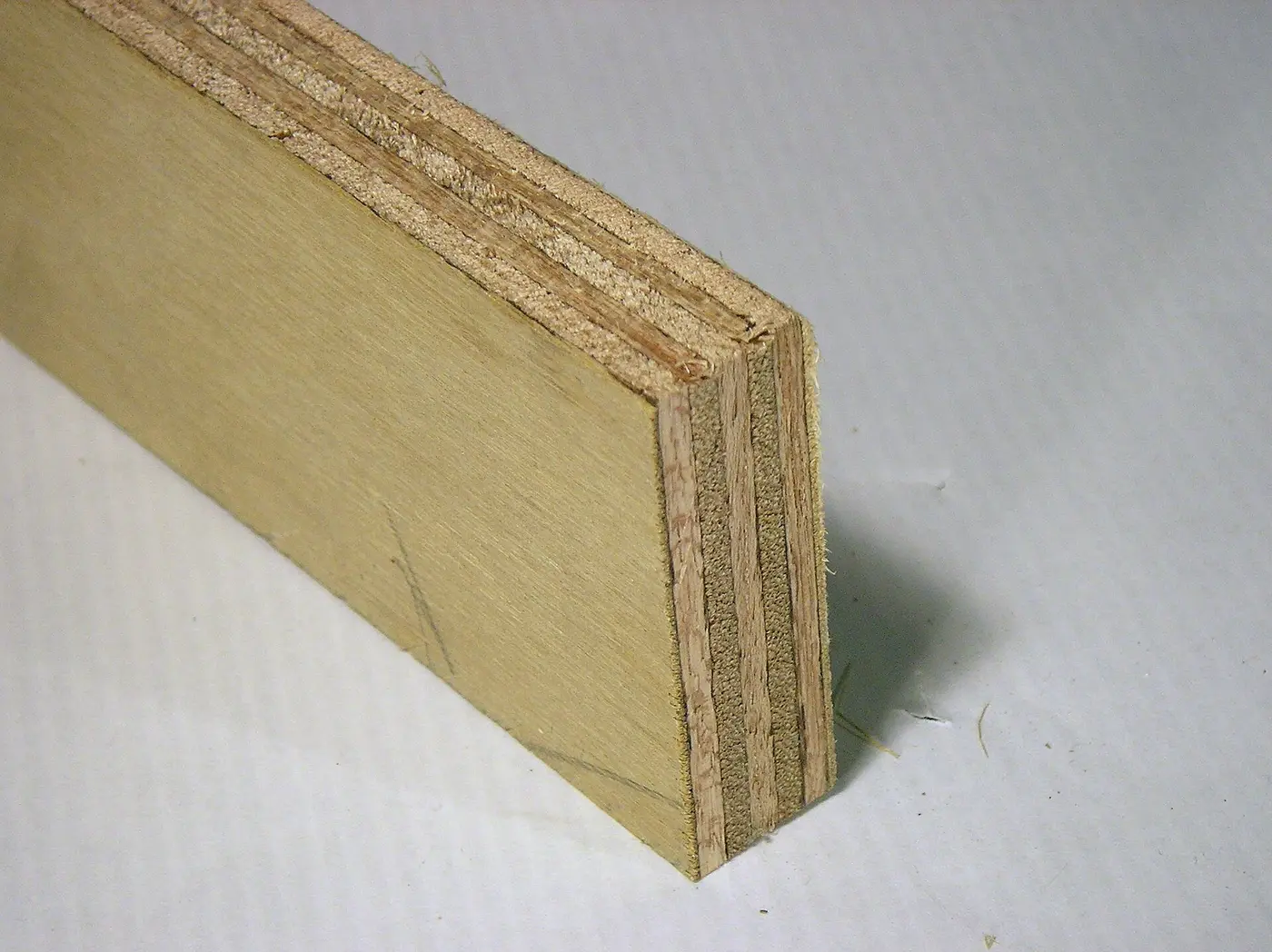
What Is Plywood? How It's Made, Grades, and Uses
Plywood is an engineered panel built from thin wood veneers glued together in alternating grain directions.
Read the guide →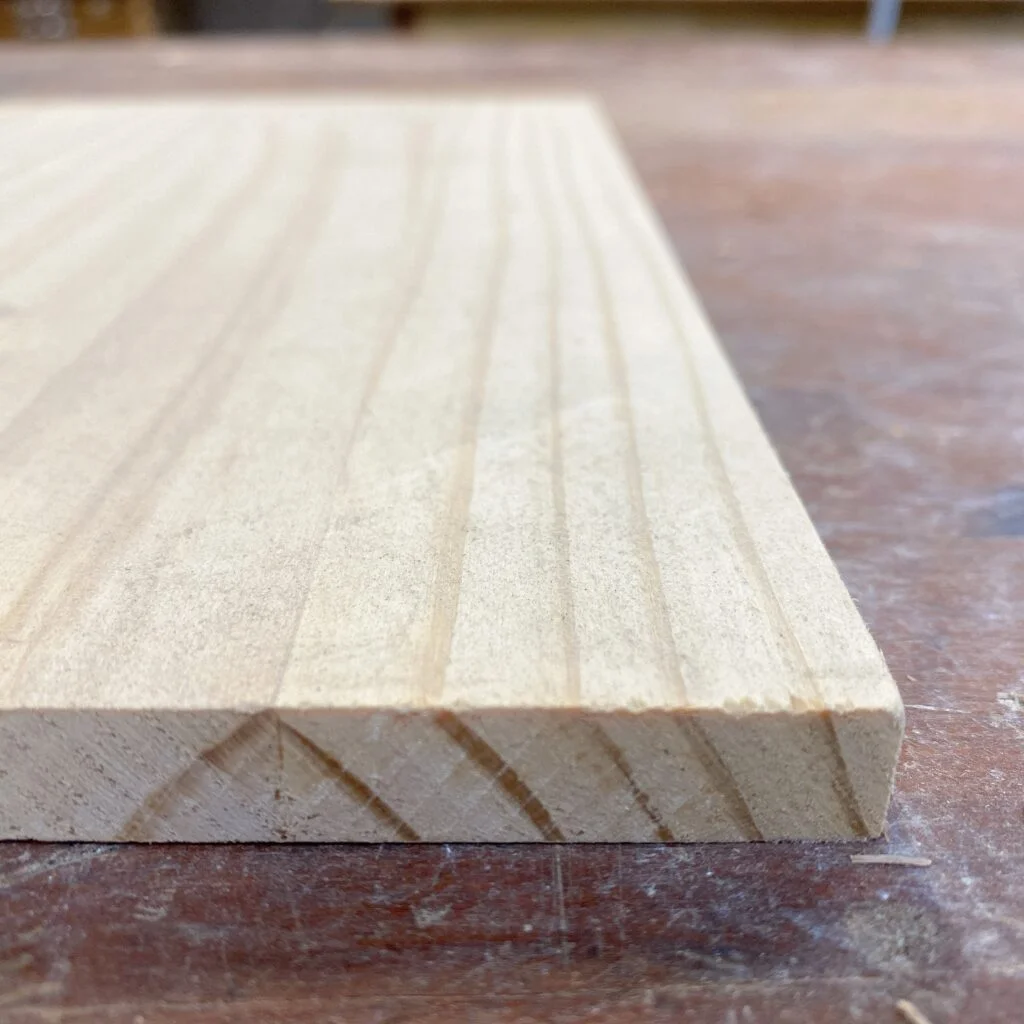
What Is Solid Wood? A Clear Explanation of Solid Lumber
Solid wood has continuous natural grain within each board. Components can use one board or edge-glued boards and still need movement-aware construction.
Read the guide →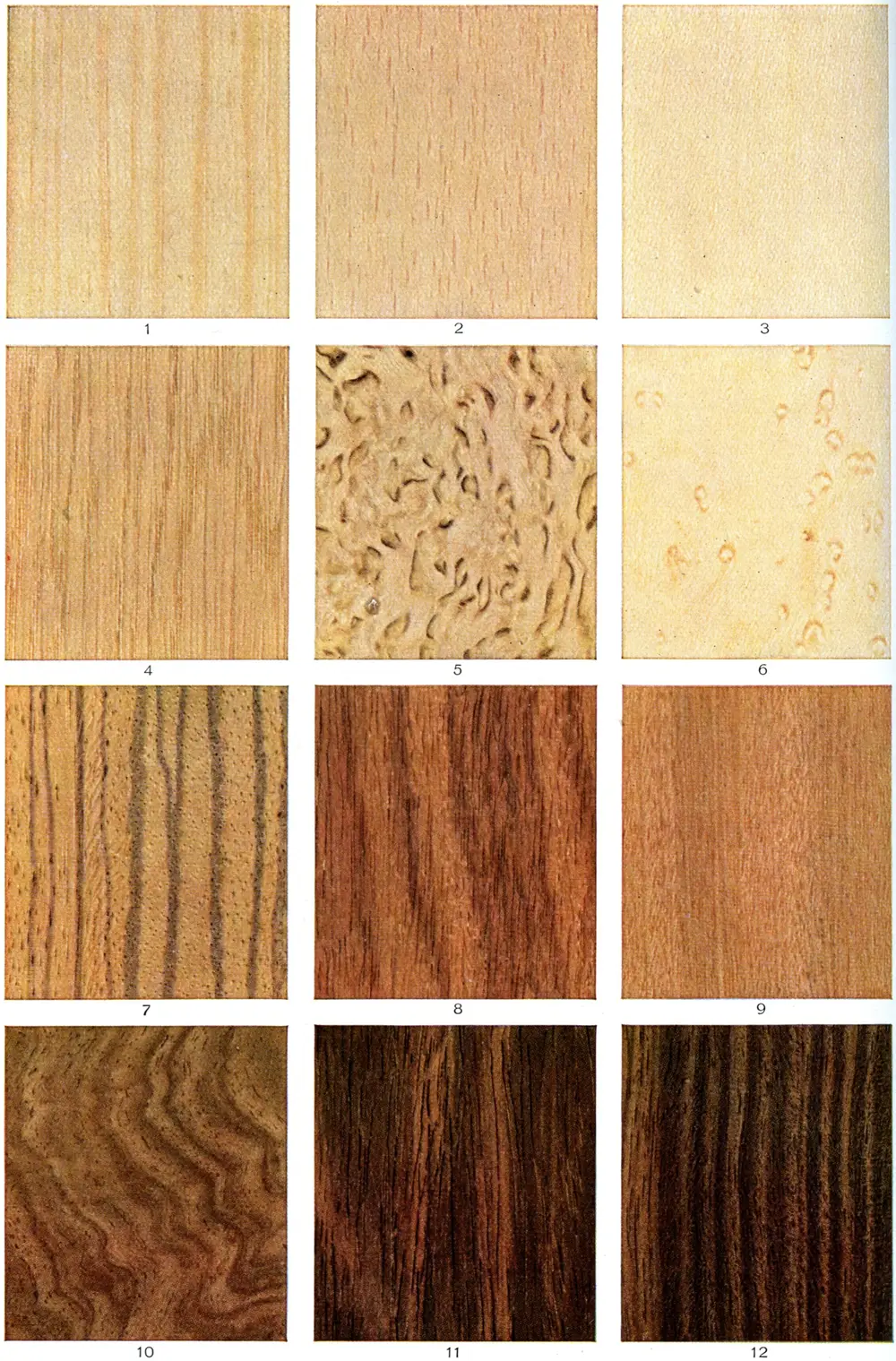
What Is Wood Veneer? Real Wood, Thin Layer
Wood veneer is a thin layer of real wood bonded onto a substrate, giving a genuine wood surface.
Read the guide →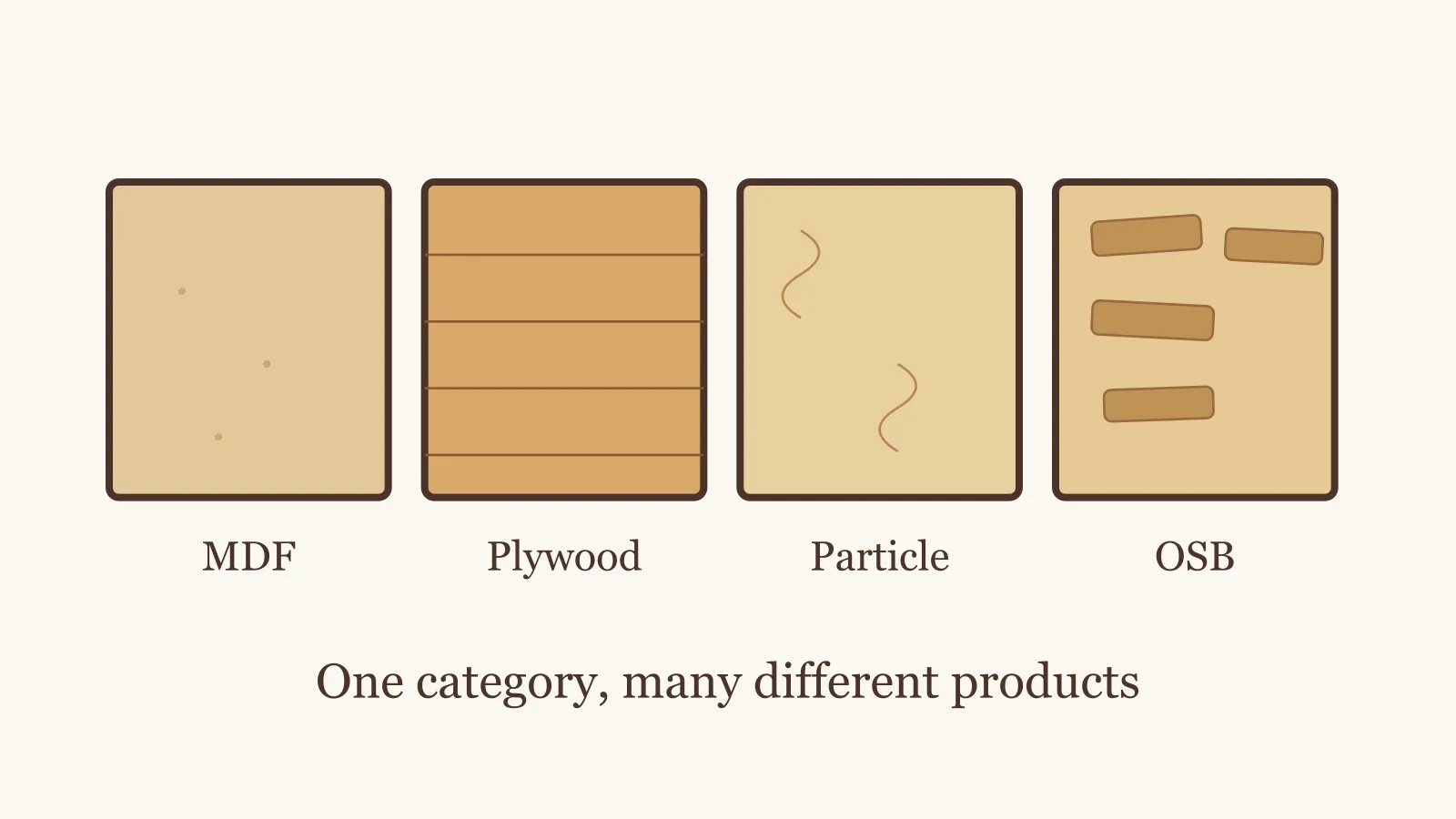
What Is Engineered Wood? The Category Explained
Engineered wood is a broad category of wood products built from wood fibers, particles, strands, veneers, or laminations.
Read the guide →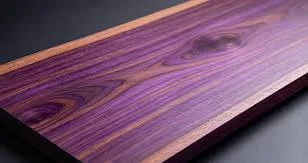
What Is Hardwood? A Botanical Category, Not a Hardness Rating
Hardwood is wood from broadleaf, flowering trees — a botanical classification, not a measure of hardness.
Read the guide →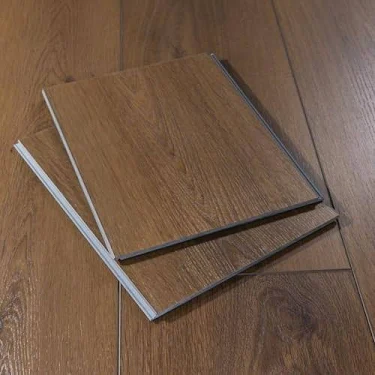
What Is Laminate? Furniture Surfaces & Board Cores
Laminate is a manufactured decorative surface layer fused from paper and resin, bonded to a panel core.
Read the guide →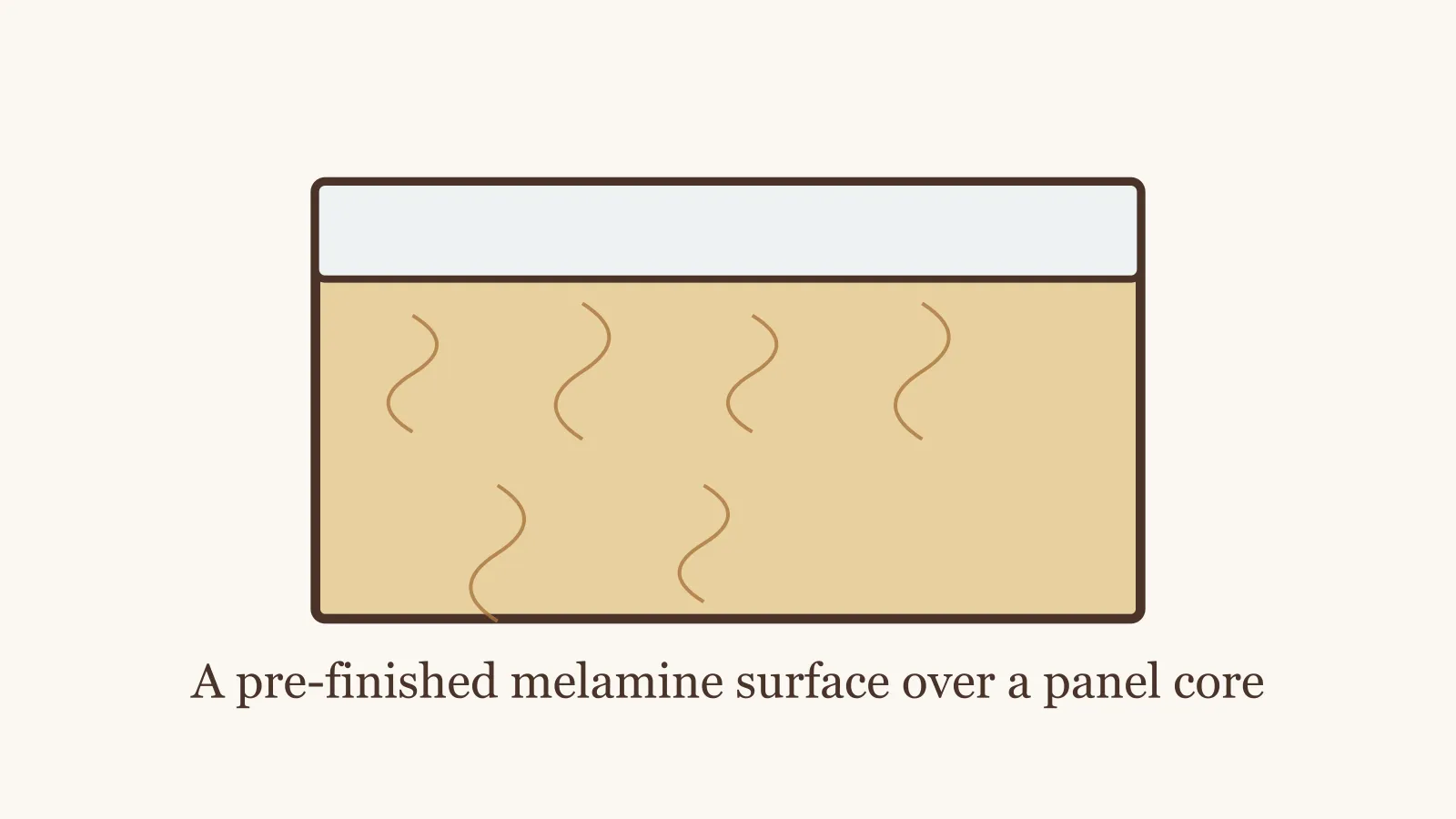
What Is Melamine Board? Faced Panels, Uses & Edges
Melamine board is a panel — usually particle board or MDF — with a decorative melamine resin surface fused to it.
Read the guide →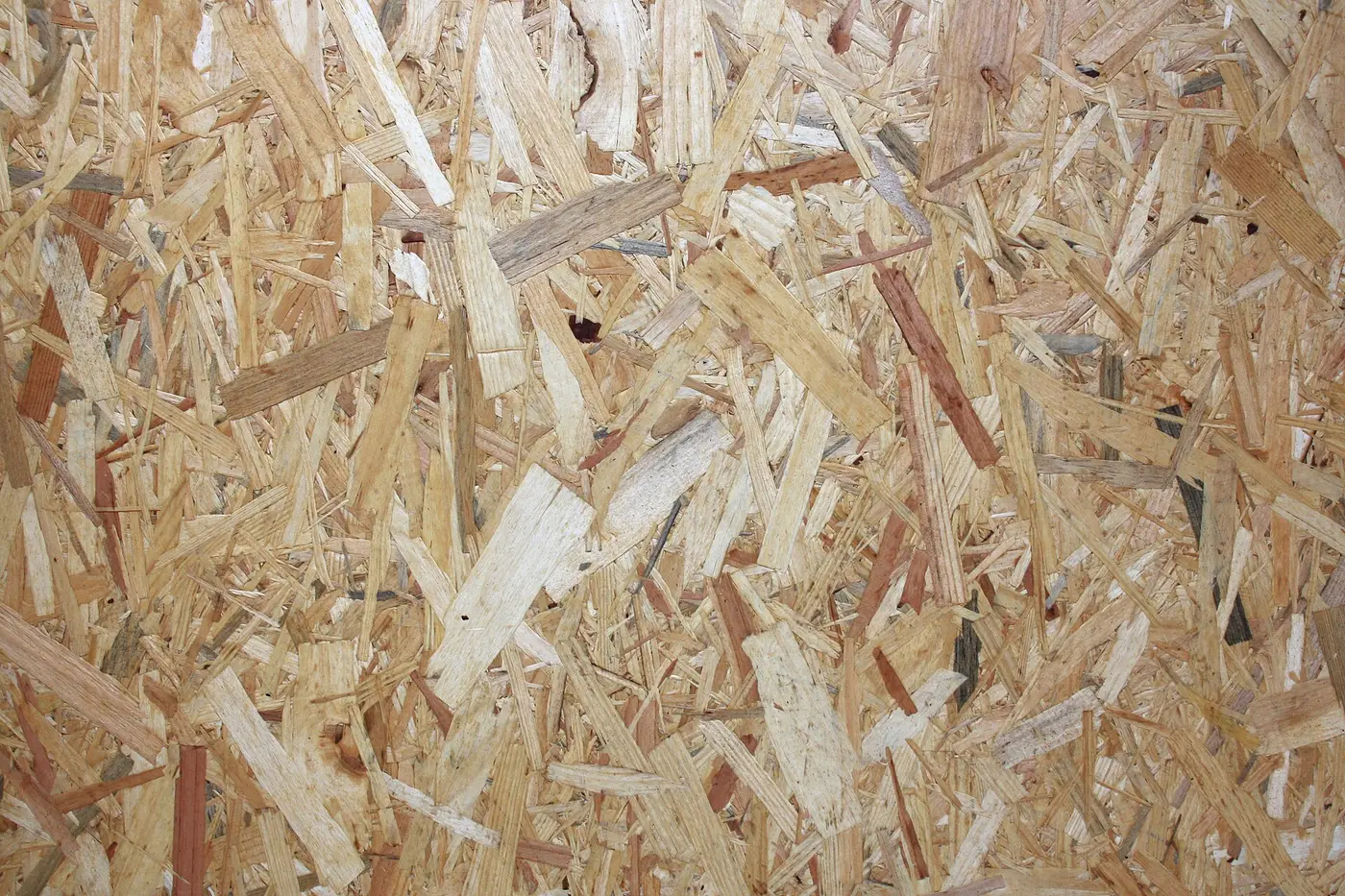
What Is OSB Board? Meaning, Uses & Plywood Comparison
OSB is a structural engineered panel made from large wood strands oriented in layers and bonded with resin.
Read the guide →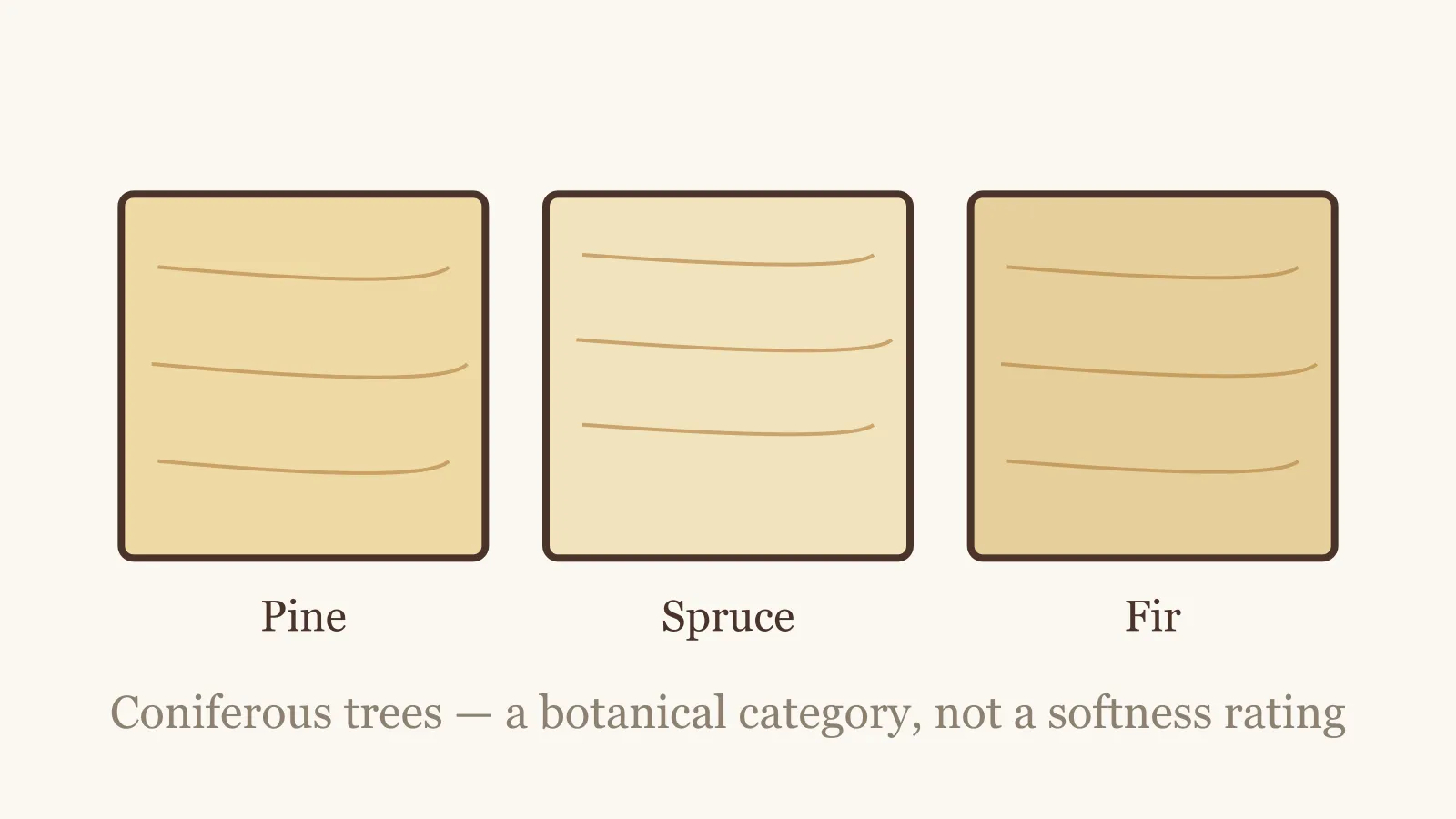
What Is Softwood? A Botanical Category, Not a Softness Rating
Softwood is wood from coniferous, cone-bearing trees — a botanical classification, not a measure of softness.
Read the guide →Go from a label to a better decision
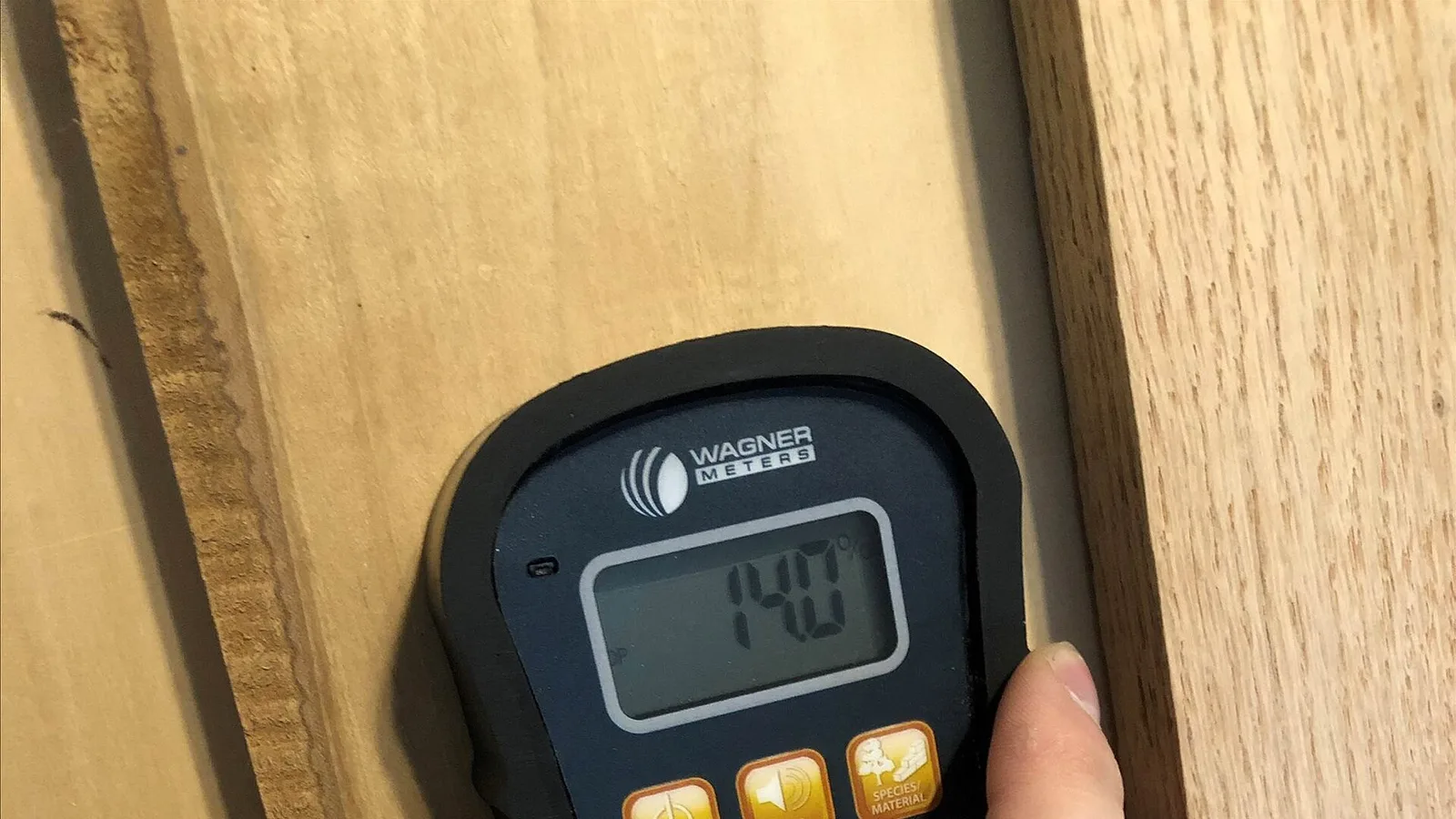
Wood Moisture Content: What the Number Means
Learn what wood moisture content measures, why boards move as humidity changes, and how to take useful moisture-meter readings before building.
Plywood Grades Explained: Faces, Bonds & Panel Stamps
Decode plywood grades, A–D face veneers, Exposure 1 and Exterior bonds, CDX, span ratings, and marine-grade labels before choosing a panel.
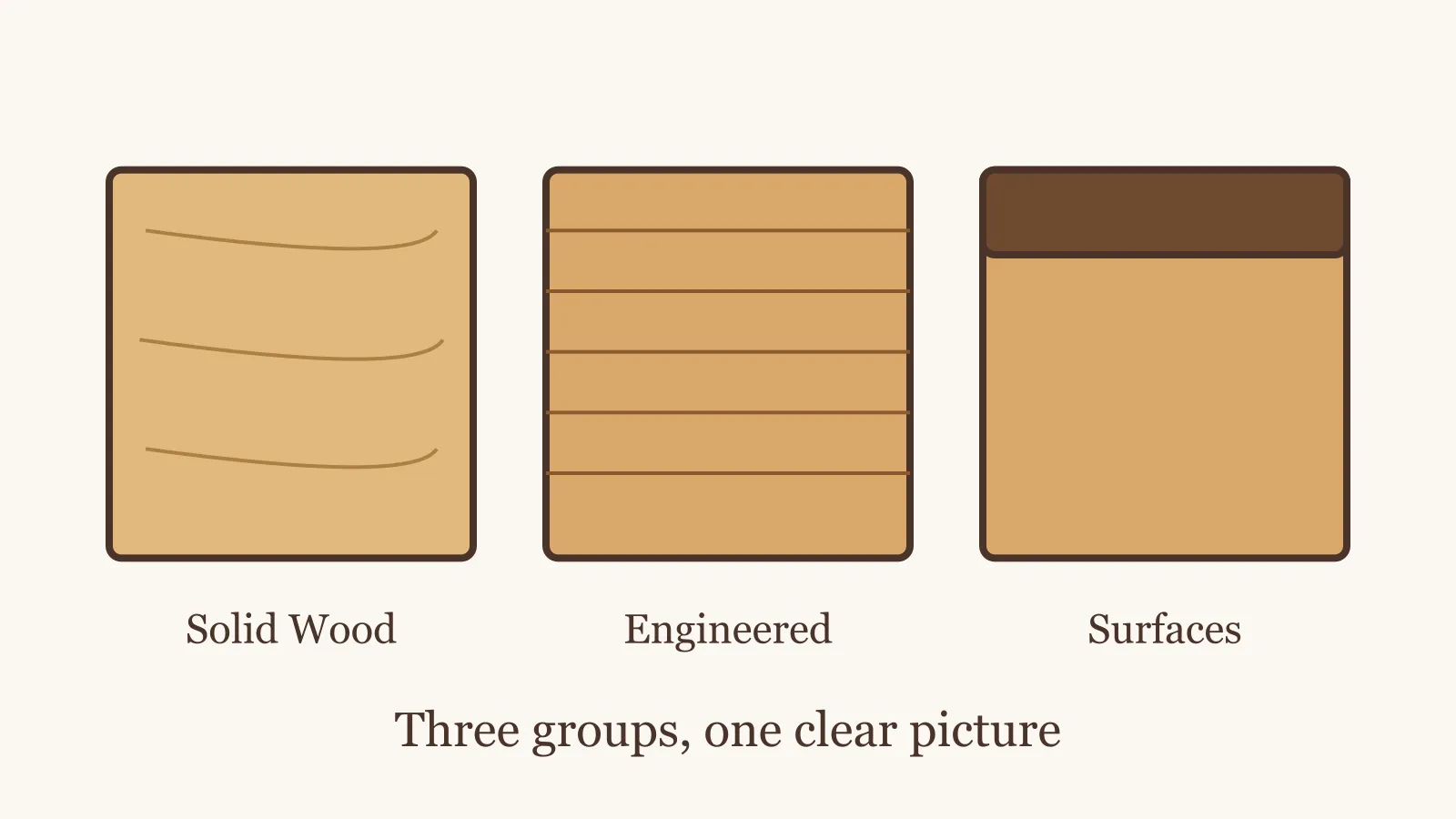
Wood & Furniture Materials Explained: A Complete Overview
A complete guide to wood, furniture materials, and joinery — solid wood, engineered panels, surface materials, and how they differ.
Common woodworking joints
Popular comparisons
Wood & Furniture Materials Explained: A Complete Overview
A complete guide to wood, furniture materials, and joinery — solid wood, engineered panels, surface materials, and how they differ.
Read the complete overview- 01
- Solid wood
- 02
- Engineered panels
- 03
- Surface materials
Clear answers, with the conditions left in
Start with primary references
Forest-products research, technical standards, industry associations, and manufacturer data come first.
Name what changes the answer
Species, grade, thickness, adhesive, construction, moisture, and finish are not interchangeable details.
No fabricated workshop tests
We do not invent load ratings, lab results, waterproof claims, or first-hand experience we do not have.