
Furniture & Cabinet Terms
Common cabinet and furniture construction terms, explained so you can read product listings and kitchen plans with confidence.
The language of cabinets and furniture
Furniture and cabinetry have their own vocabulary. Terms like “face frame” or “edge banding” appear constantly in product descriptions and kitchen plans, but they are rarely defined where you need them.
This section explains the construction terms that come up most when buying furniture, comparing cabinets, or reading about how a piece is built.
What these terms reveal
Most of these terms describe a construction method, not a material. A face frame and a frameless cabinet can be made from the same sheet goods, yet they build, look, and behave differently. A floating shelf and a drawer slide are both about hidden hardware doing a specific job.
Understanding the construction is what lets you judge durability and repairability instead of judging only the finish.
All furniture terms
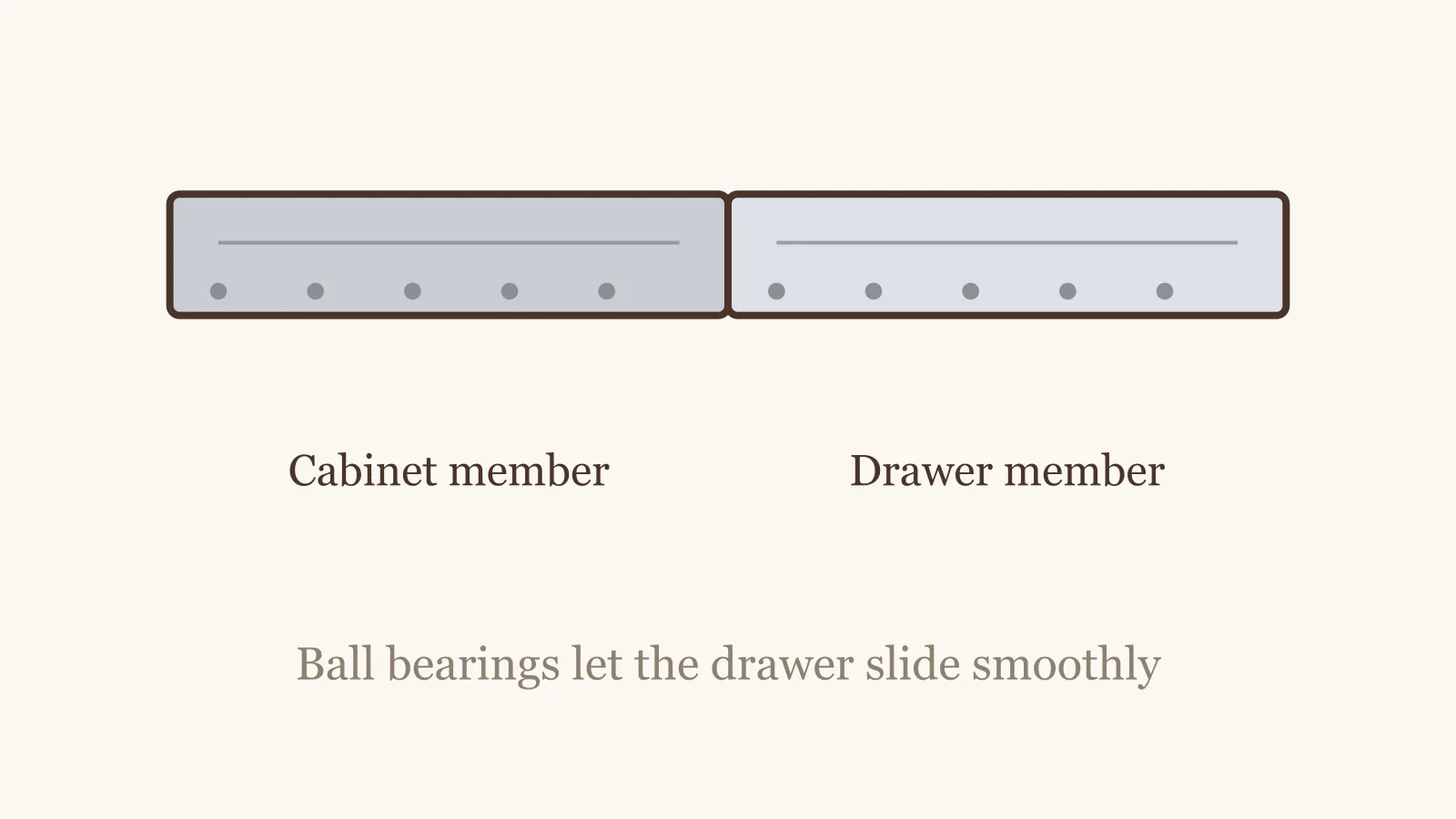
What Is a Drawer Slide? How Drawer Hardware Works
Drawer slides guide and support a moving drawer. Mounting position, running mechanism, extension, clearances, and load conditions are separate specifications.
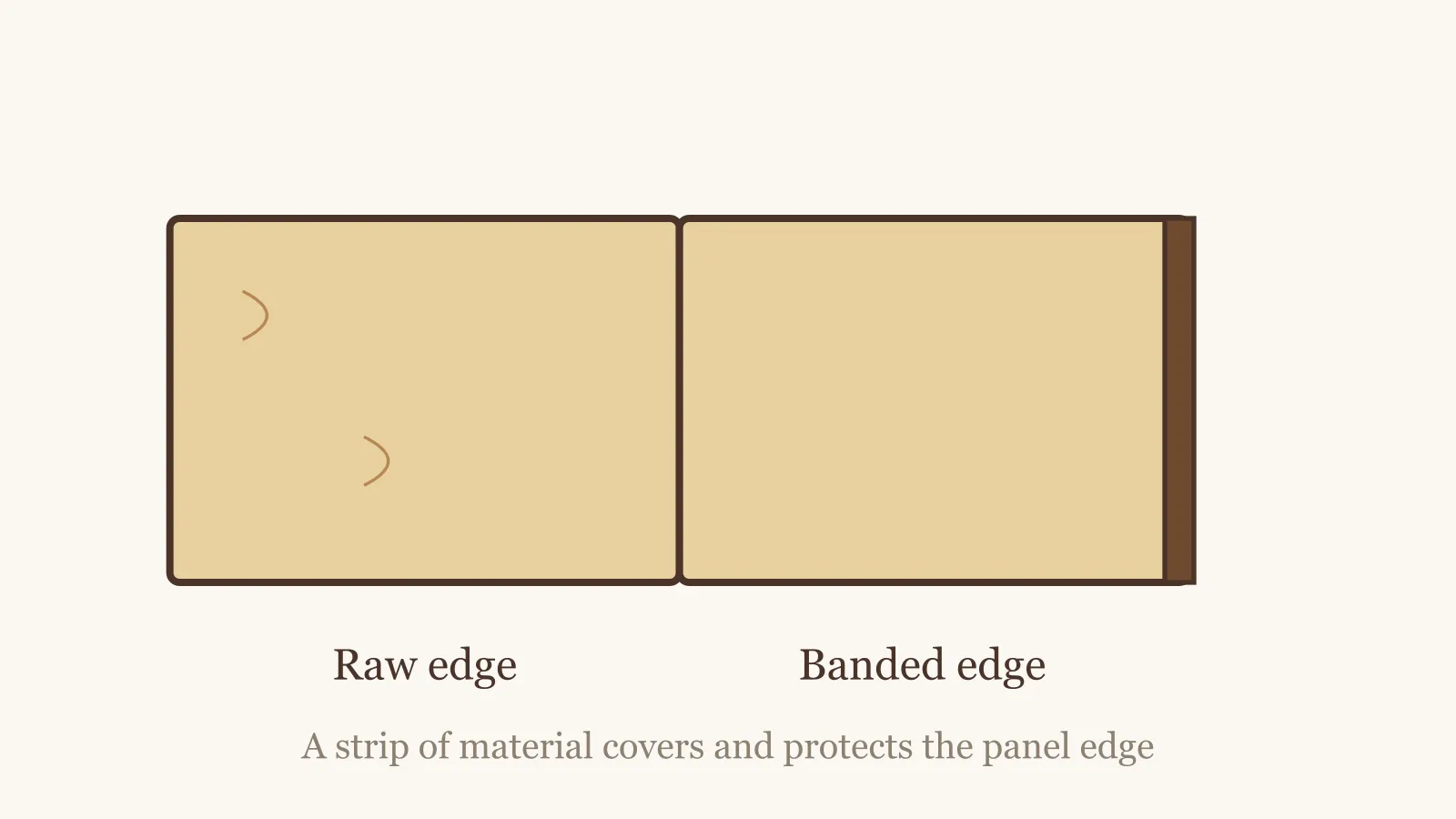
What Is Edge Banding? The Panel Edge Explained
Edge banding finishes and protects an exposed panel edge. Its strip, adhesive, substrate, and service conditions must work together.
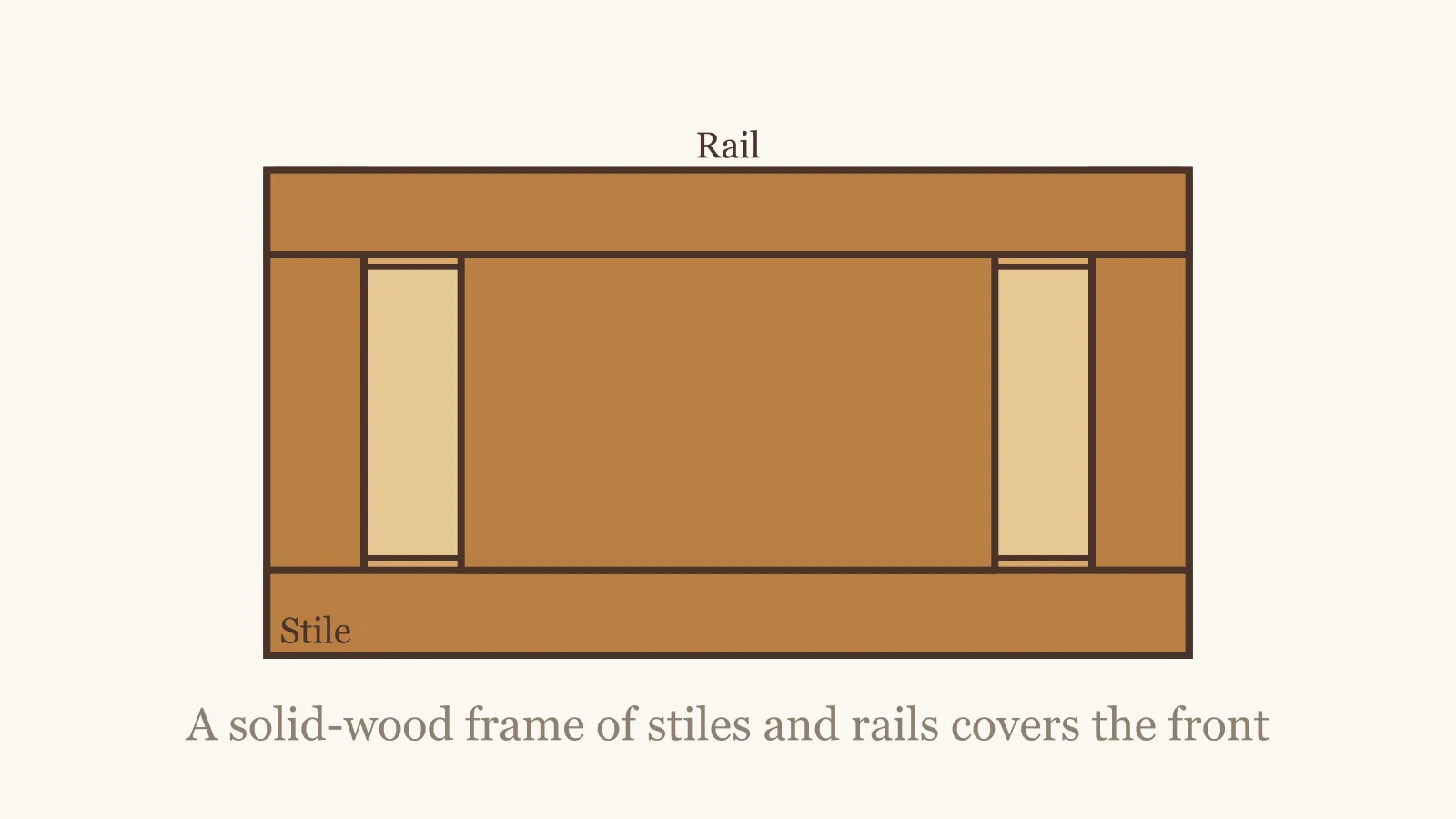
What Is a Face Frame Cabinet? Construction Explained
A face-frame cabinet has front stiles and rails that define its openings. Measure the frame, box, and hardware clearances separately.
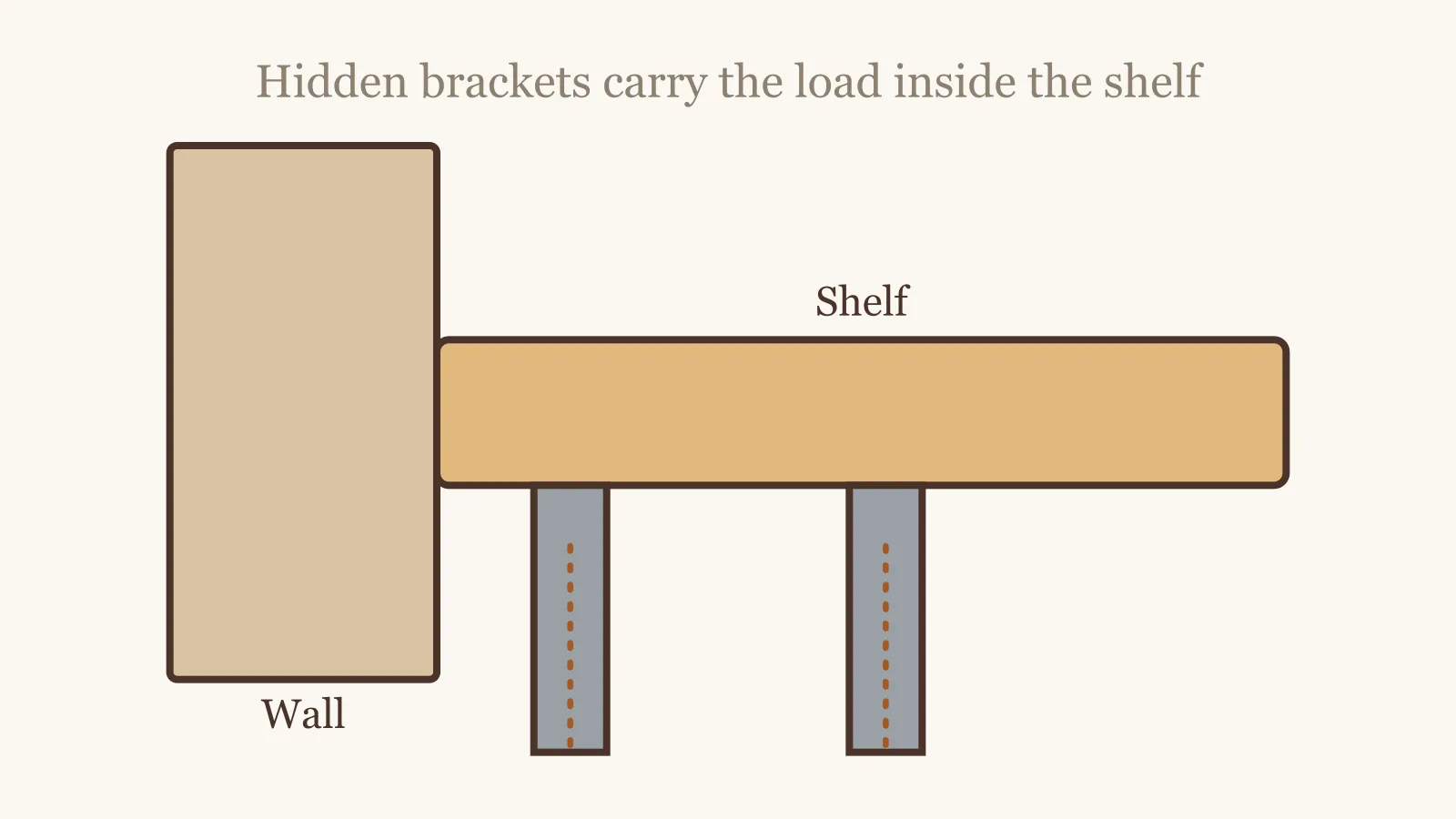
What Is a Floating Shelf? Hidden Support Explained
A floating shelf conceals its support. Capacity depends on the complete shelf, bracket, fasteners, wall, and loading arrangement.
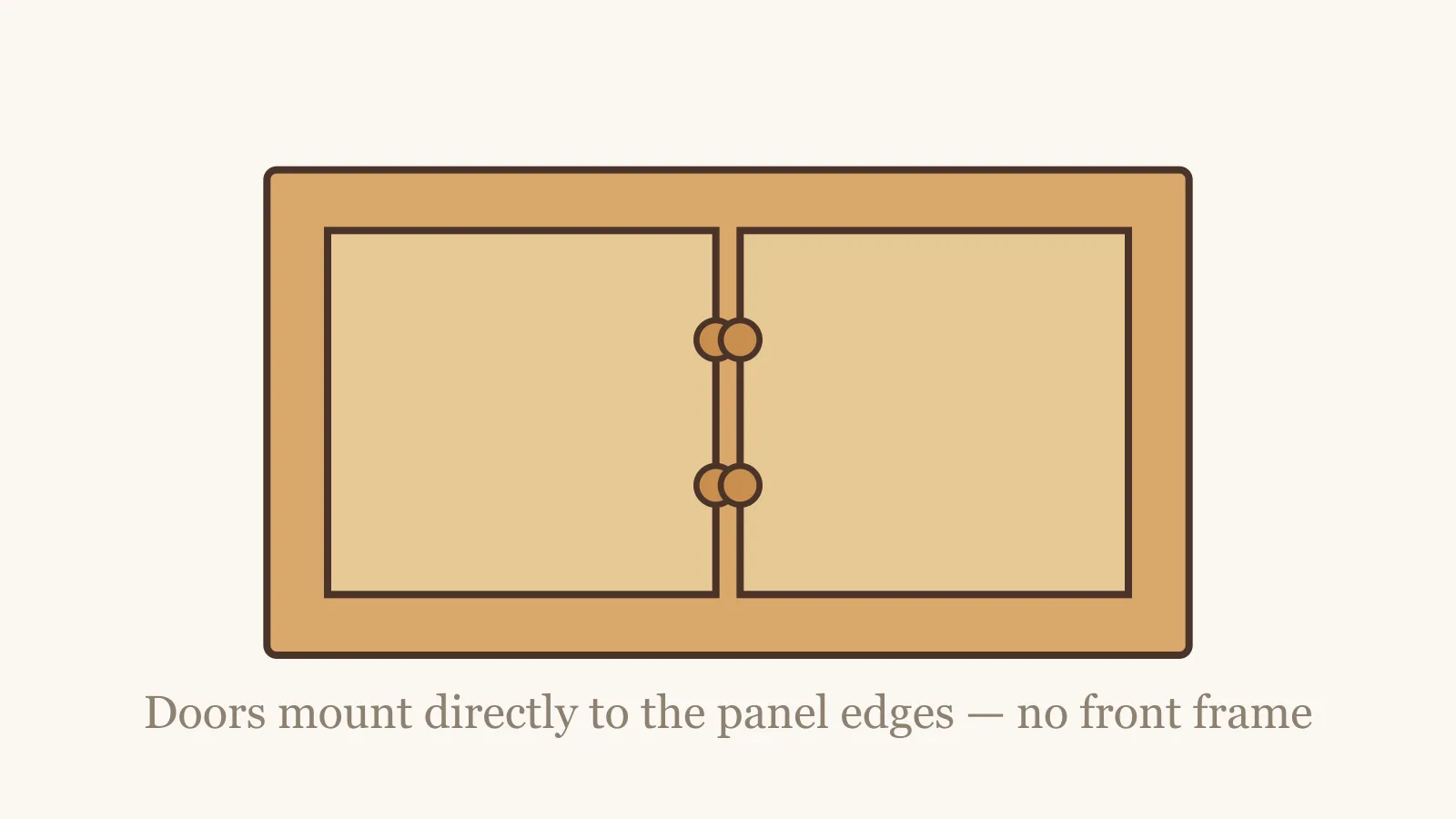
What Is a Frameless Cabinet? Full-Access Construction Explained
A frameless cabinet uses its box panels without a separate front face frame. Panel edges, box restraint, and hardware connections need careful detailing.